
Page 5 of 98
The 11th Summit of the Organization of Turkic States: Highlights and Future Expectations
The 11th Summit of the Organization of Turkic States (OTS) was held in Bishkek, the capital of Kyrgyzstan, on November 6, 2024. The 11th Summit, where the Presidency passed from Kazakhstan to Kyrgyzstan, can be considered a pivotal turning point in terms of revealing the strengthened position of the Turkic […]
November 15, 2024
Combating Disinformation in Member States of the OTS: The Case of the Center for Combating Disinformation of Directorate of Communications of Türkiye
Disinformation, as we could also refer to as the Post-Truth Era, has transcended national boundaries under current conditions and has become a global threat (Directorate of Communications, 2021). Rapid developments and diversity in communication tools and, in turn, the uncontrollable spread of news and information indicate that this process has […]
November 7, 2024
Asya Avrupa No: 86
Değerli takipçilerimiz, Asya Avrupa Dergisi’nin 86. sayısı ile bölgesel gelişmelerin mercek altına alındığı analizlerle yeniden sizlerle birlikte olmanın mutluluğunu yaşıyoruz. Takip ettiğiniz üzere 9-11 Eylül 2024 tarihlerinde Uluslararası Türk Akademisi ve Türk Dil Kurumu iş birliğinde Bakü’de yapılan Ortak Alfabe Komisyonu’nun 3. toplantısında, Türk dünyasının uzun zamandır beklediği bir karara […]

October 31, 2024
Competitiveness Rating of the Republic Of Kazakhstan in Comparison with the Countries of the Region
What constitutes any country’s most valuable resource? What determines a country’s position on the world stage, and defines its economy, societal structure, and political system? In the past, the answer to these questions might have been simple. A country’s geography dictated its destiny during the ancient period of human history. […]

Tags: Culture, Education, Kazakhstan
October 20, 2024
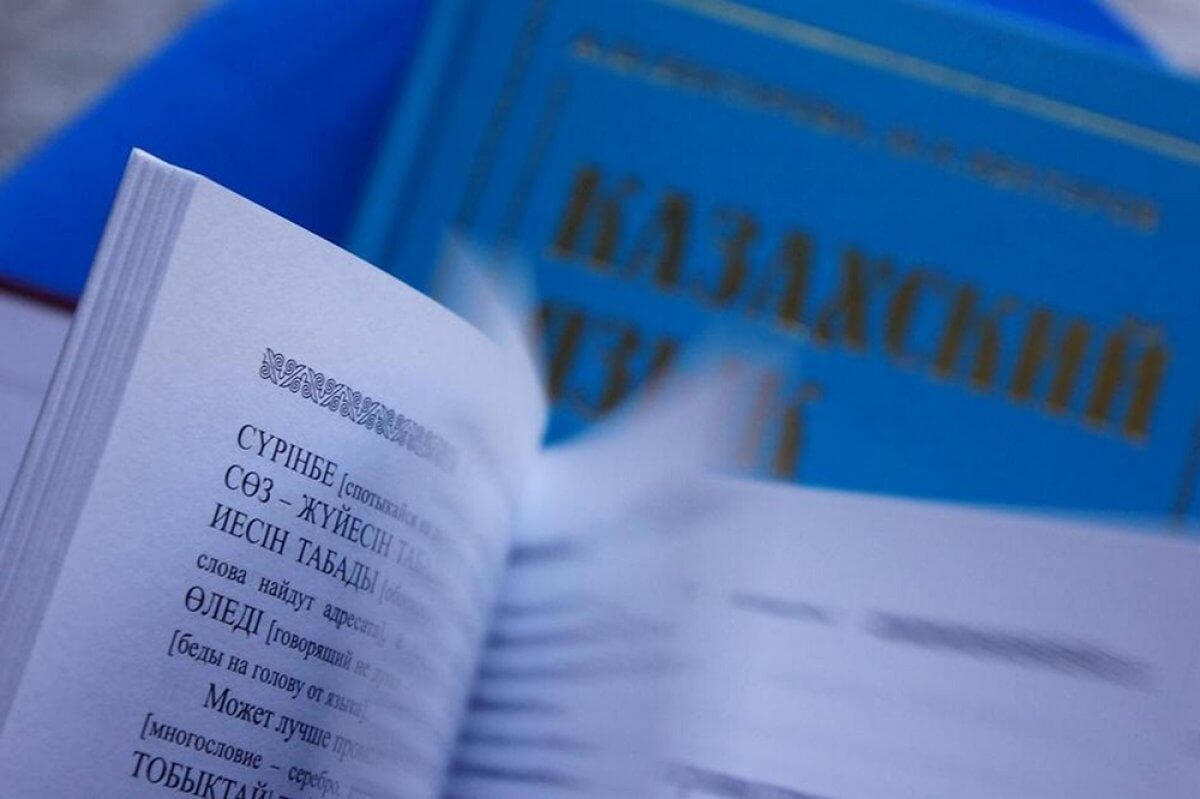
The Trends of Language Shift in Education in Kazakhstan
Since independence in 1991, the government of Kazakhstan has been promoting Kazakh as the primary language of the state, culture, and education. Efforts have been made to expand Kazakh-language education and increase its use in public and official domains. The country’s Constitution designates Kazakh as the state language, while Russian […]
Tags: Culture, Education, Kazakhstan
Can the Concept “Central Asia – 2040” Strengthen the Region’s Integration?
In August 2024, Kazakhstan hosted the VI Consultative Meeting of Heads of State of Central Asia (CA) in Astana. During the meeting, the countries of the region signed the Concept for the development of regional cooperation “Central Asia – 2040”. The Concept was developed by Kazakhstan and its priorities include […]

Tags: Central Asia, Economy, Finance
Key Insights from the Sixth Consultative Meeting in Astana
The 6th Consultative Meeting of the Heads of Central Asian States took place in Astana on 9 August 2024. President Sadyr Japarov of Kyrgyzstan, President Emomali Rahmon of Tajikistan, President Serdar Berdimuhamedov of Turkmenistan, and President Shavkat Mirziyoyev of Uzbekistan attended the event under the chairmanship of Kassym-Jomart Tokayev, the […]

Tags: Foreign Policy, Kazakhstan, Politics
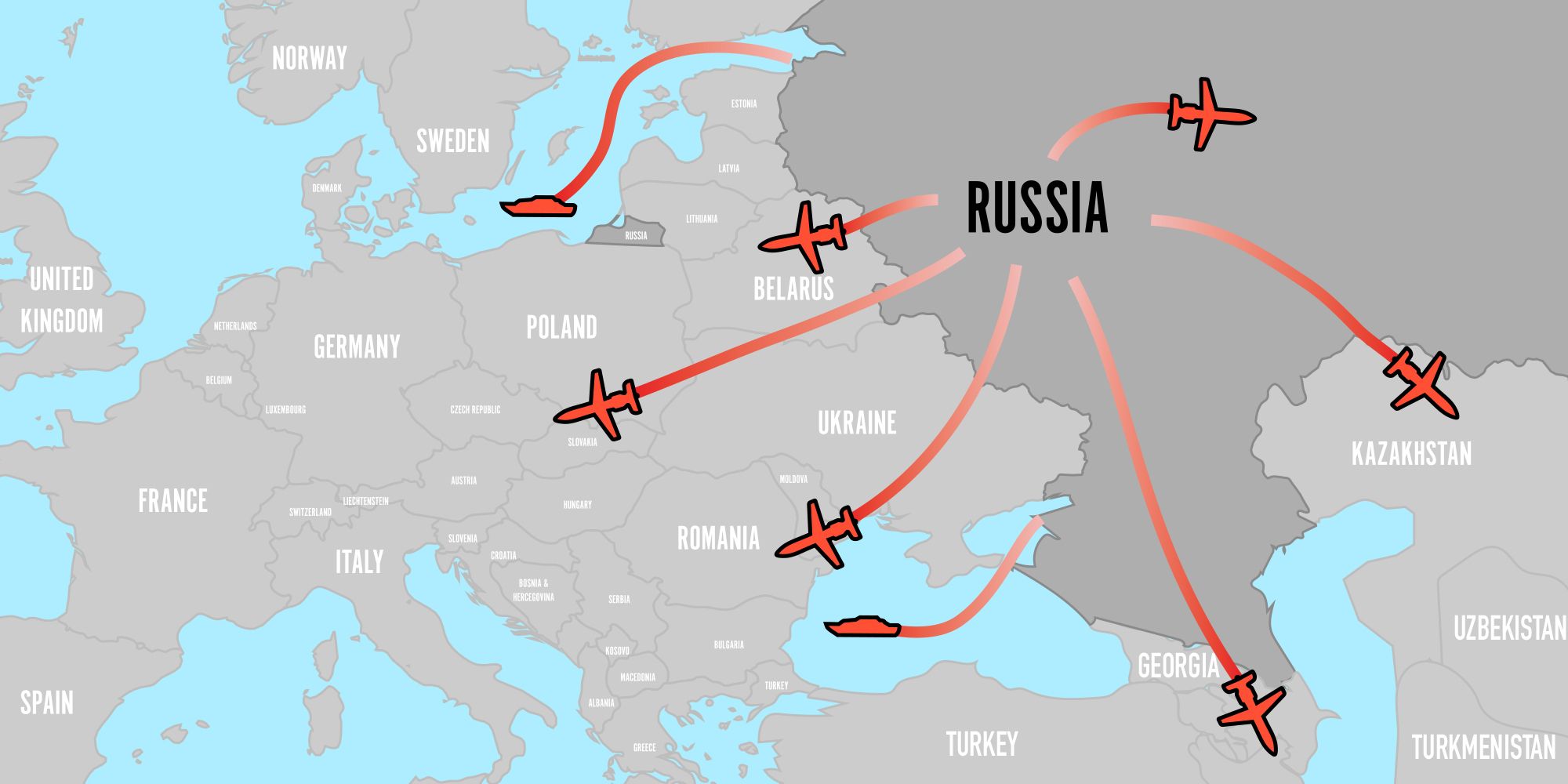
Catching the wave: the migration situation in Kazakhstan
The last couple of years saw a series of changes in Kazakhstan’s typical migration patterns caused by an intensification of a rather turbulent geopolitical situation in the region. Russia’s partial mobilization, launched on September 21, 2022, sent a huge migration wave away from Russia to other countries across the globe. […]
October 19, 2024
The Trade Pivot: From Northern to Middle Corridor
The commencement of Russia’s War in Ukraine has orchestrated a complicated turn in Kazakhstan’s multi-vector foreign policy strategy. Among the most evident issues, including the influx of migrants from Russia, economic issues, and fear of secondary sanctions, there are more far-reaching implications that the ongoing conflict presents for the Republic […]

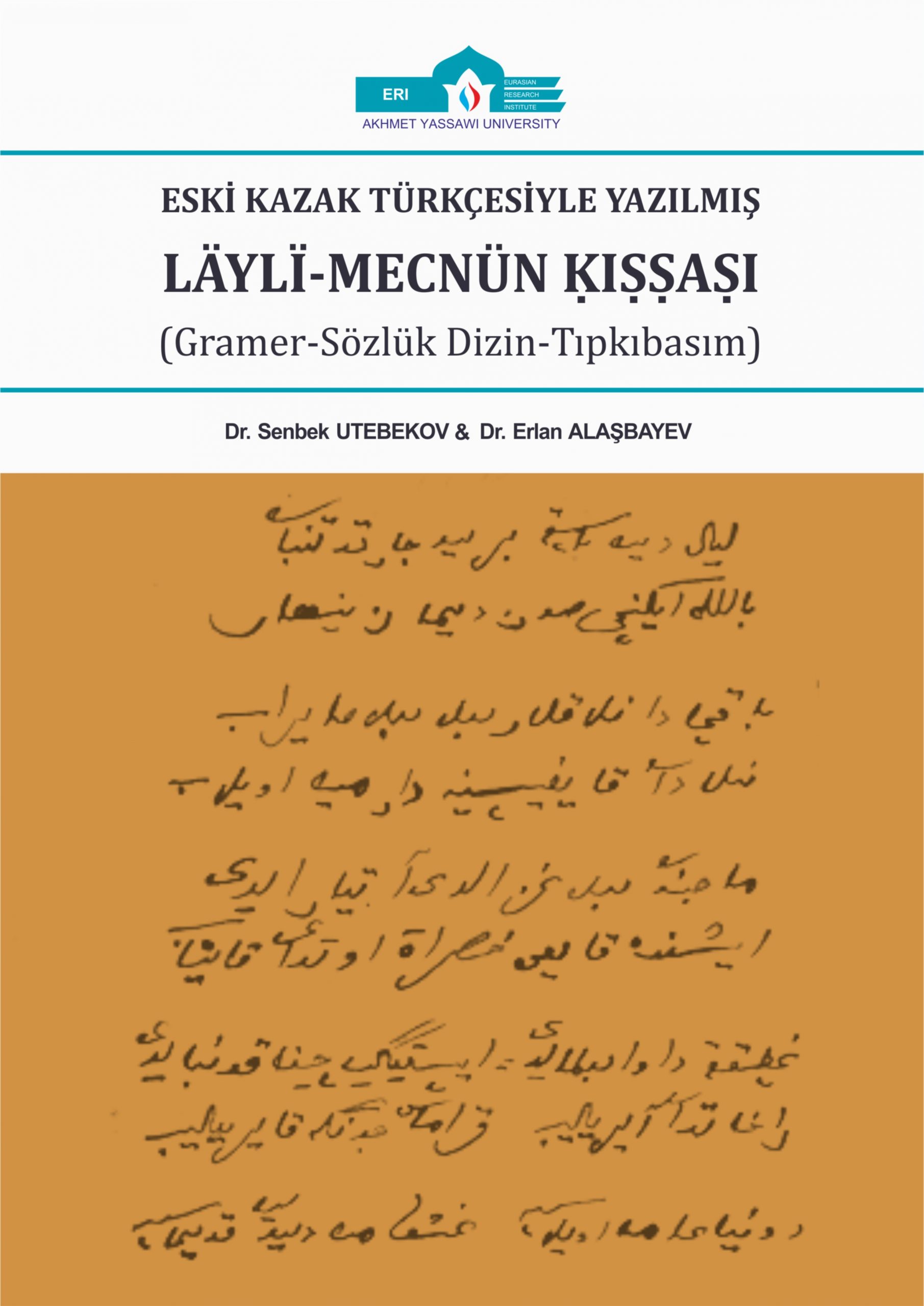
Eski Kazak Türkçesiyle Yazılmış Läylï-Mecnün Ḳıṣṣaṣı (Gramer-Sözlük Dizin-Tıpkıbasım)
Arap edebiyatında ilk başta basit bir kıssa olarak yayılan Leylâ ve Mecnûn adlı aşk hikâyesinin dünya edebiyatında klâsikleşmesinde Nizamî Gencevî, Muhammed Fuzûlî, Ali Şîr Nevâî gibi Türk kökenli tarihi, kültürel ve edebi şahsiyetler önemli rol oynamıştır. Kaynaklara göre hikâyenin Arap, İran, Türk, Urdu vb. halkların edebiyatlarında çok yaygın olduğu ve […]
September 9, 2024
Page 5 of 98